Source cotton boys baby pants for newborns, toddlers, and infants
Compare 30 listings of cotton boys baby pants from verified suppliers offering various sizes, styles, and customization services. These options include comfortable wear suitable for newborns, toddlers, and infants with features like breathability and moisture absorption for daily use; compare the available evidence and request quotations based on your requirements.
Key considerations
Products List




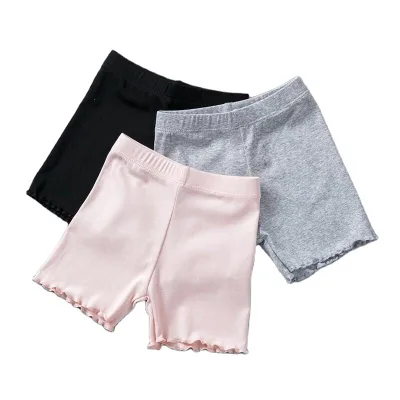
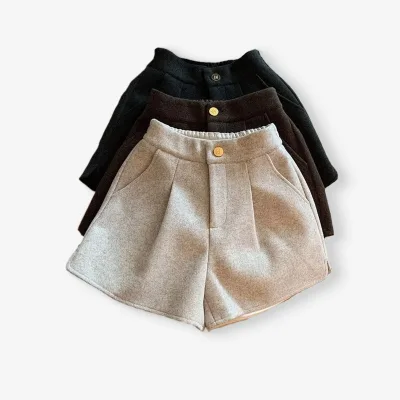
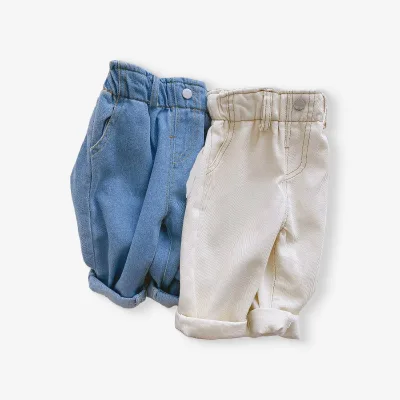
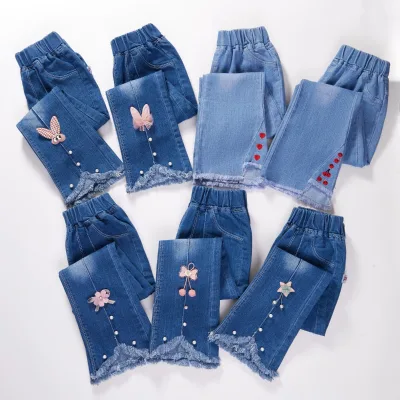


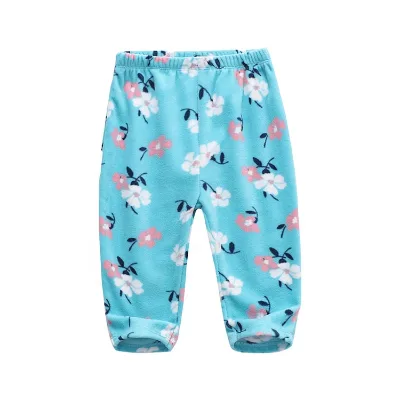
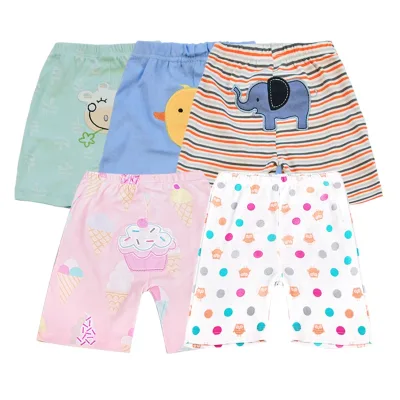
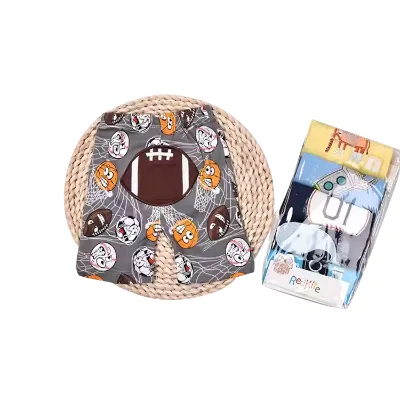
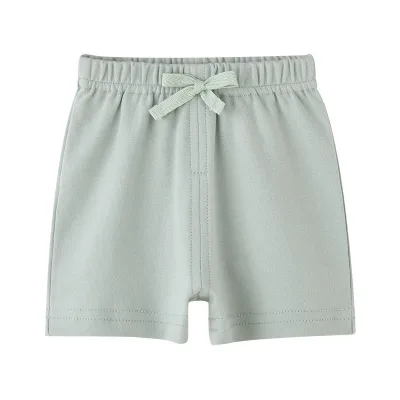
Comprehensive Sourcing Guide
Cotton Boys Baby Pants Sourcing Guide
Sourcing cotton boys baby pants requires a careful balance of material integrity, age-appropriate sizing, and commercial flexibility. Buyers must navigate a market where "cotton" is a common descriptor but not a guarantee of quality or safety. The observed product landscape reveals a wide variance in specifications, from short loose sleeves to full-length pants, indicating that the term covers diverse garment types. Procurement teams should prioritize verifying the actual fabric composition and construction methods rather than relying solely on product titles. This guide outlines the critical verification steps needed to ensure that the final product meets both safety standards and commercial expectations for young children.
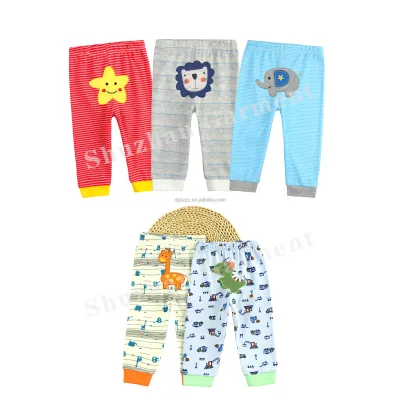
The supply chain for these items often involves multiple origin points, including Shanghai and Guangdong in China, which can impact logistics and lead times. Buyers should expect a high degree of customization, with many suppliers offering ODM and OEM services alongside in-stock items. This flexibility allows for brand-specific designs, such as animal prints or embroidered details, but it also introduces complexity in quality control. Understanding the distinction between standard in-stock goods and custom-manufactured items is essential for managing inventory levels and meeting specific market demands without compromising on the softness and breathability that parents expect from cotton garments.
Product Scope and Observed Listing Signals
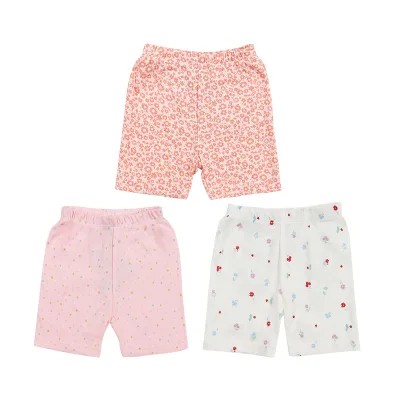
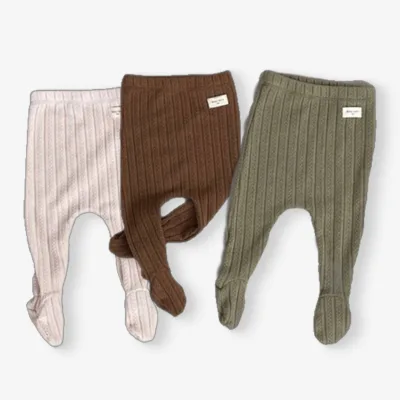
The current market signals indicate a broad range of product variations under the cotton boys baby pants category. Listings frequently highlight specific age groups, such as 0-3 months up to 24 months, and seasonal suitability for spring, autumn, and summer. This diversity suggests that buyers must clearly define their target demographic to avoid mismatched inventory. For instance, some products are described as having short loose sleeves or being designed for warmer weather, while others are full-length pants suitable for cooler seasons. Procurement teams should use these signals to segment their sourcing strategy, ensuring that the selected items align with the specific climatic and developmental needs of their target customers.
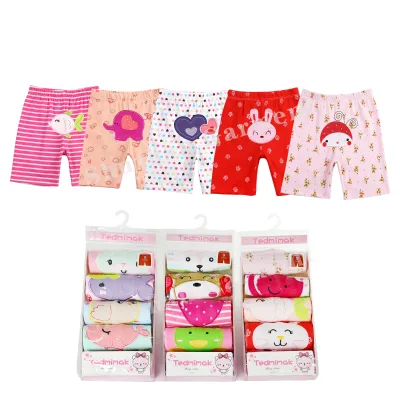
Packaging and unit specifications also vary significantly across listings, with some items sold in sets of three and others as single units. Observed packaging details include OPP bags for individual sets and larger batch packaging with specific dimensions and weights. These logistical details are crucial for calculating landed costs and storage requirements. Buyers should pay close attention to the gross weight per batch and package size, as these factors directly influence shipping efficiency and warehouse management. Additionally, the availability of random color options for boys and girls indicates a trend toward flexible inventory management, allowing suppliers to reduce waste while meeting diverse customer preferences.
Technical Specifications to Verify
Verifying the technical specifications of cotton boys baby pants is critical to ensuring product quality and safety. Buyers should confirm the fabric type, such as knitted cotton, and the specific model numbers associated with each design. The presence of features like anti-static properties and breathability is essential for infant comfort, but these claims must be validated through physical inspection or supplier documentation. Additionally, the technique used, such as embroidery or printing, should be assessed for durability and safety, particularly regarding the risk of small parts detaching. Understanding the construction details helps buyers avoid products that may degrade quickly or pose safety hazards to young children.
Size ranges and length specifications are another key area for verification. Listings may indicate sizes from 3-24 months or specific length types like shorts or full-length pants. Buyers must ensure that the sizing charts provided by suppliers align with international standards to prevent fit issues. The model numbers, such as P001, P029, or 66011C, serve as unique identifiers for these variations, allowing for precise ordering and tracking. Procurement teams should request detailed size measurements for each model to ensure consistency across batches. This attention to detail minimizes the risk of returns due to sizing discrepancies and enhances customer satisfaction.
Compliance and Safety Documentation
Compliance and safety documentation are non-negotiable for sourcing cotton boys baby pants, given the vulnerability of the target age group. Buyers must ensure that suppliers provide evidence of adherence to relevant safety standards, such as OEKO-TEX or GOTS, although the presence of these certifications should be verified rather than assumed. The material composition, specifically 100% cotton, must be confirmed through lab testing to prevent the inclusion of harmful chemicals or allergens. Documentation should also cover flammability standards and the absence of toxic dyes, which are critical for infant garments. Procurement teams should request these documents before placing large orders to mitigate legal and reputational risks.
In addition to material safety, buyers should verify that the products meet labeling and packaging requirements in their target markets. This includes accurate fiber content labeling, care instructions, and age warnings. The presence of small parts, such as buttons or embroidered elements, must be assessed for choking hazards. Suppliers should provide test reports from accredited laboratories to substantiate their compliance claims. Buyers should also ensure that the packaging materials are safe and environmentally friendly, as this is increasingly important to consumers. By prioritizing comprehensive documentation, buyers can protect their brand and ensure the well-being of the end-users.
Cost Drivers and Commercial Terms
Cost drivers for cotton boys baby pants include material quality, production volume, and customization requirements. The observed supply ability of 5000 sets per week and available quantities of up to 10,000 sets suggest that economies of scale can be leveraged for larger orders. However, custom designs, such as specific animal prints or embroidered details, may incur additional costs. Buyers should negotiate based on the complexity of the design and the volume of the order. Understanding these cost drivers helps in budgeting accurately and avoiding unexpected expenses during the procurement process.
Commercial terms, including payment methods and lead times, also play a significant role in the sourcing strategy. Suppliers may accept various payment methods, such as T/T, credit card, or trade assurance, which offer different levels of security. Lead times can vary, with some suppliers offering seven-day sample order lead times, which is beneficial for quick market testing. Buyers should clarify these terms in the contract to ensure smooth transactions and timely delivery. Additionally, the minimum order quantity (MOQ) can range from 1 to 1500 units, allowing for flexibility in initial orders. Understanding these commercial terms helps buyers manage cash flow and inventory effectively.
Supplier Qualification and Quality Control
Supplier qualification is a critical step in sourcing cotton boys baby pants, as it directly impacts product quality and reliability. Buyers should assess suppliers based on their production capacity, quality control processes, and past performance. The availability of OEM and ODM services indicates that suppliers are capable of handling custom orders, but buyers must verify their ability to maintain consistent quality across batches. Requesting samples and conducting physical inspections are essential steps in this process. Buyers should also check for any certifications or audits that demonstrate the supplier’s commitment to ethical and safe manufacturing practices.
Quality control measures should be integrated into the procurement process to ensure that the final products meet the specified standards. This includes checking for defects in stitching, fabric consistency, and print quality. Buyers should establish clear quality criteria and communicate them to the supplier before production begins. Regular inspections during production and before shipment can help identify and rectify issues early. Additionally, buyers should maintain open communication with suppliers to address any concerns promptly. By implementing robust quality control measures, buyers can minimize the risk of receiving substandard products and protect their brand reputation.
Long-Term Procurement Checks
Long-term procurement checks involve continuous monitoring of supplier performance and market trends to ensure sustained success. Buyers should regularly review supplier metrics, such as on-time delivery rates, defect rates, and responsiveness to issues. This data-driven approach helps in identifying reliable partners and addressing potential problems before they escalate. Additionally, staying informed about changes in safety regulations and consumer preferences is crucial for adapting the sourcing strategy. Buyers should participate in industry events and networks to gain insights into emerging trends and best practices in the cotton baby apparel sector.
Building strong relationships with suppliers is also key to long-term success. Collaborative partnerships can lead to better pricing, priority production slots, and innovative product developments. Buyers should engage in regular communication with suppliers to discuss future needs and potential improvements. This proactive approach fosters trust and mutual benefit, ensuring a stable supply chain. Furthermore, buyers should periodically reassess their supplier base to ensure it remains competitive and aligned with their strategic goals. By focusing on long-term checks and relationship building, buyers can secure a reliable and efficient sourcing operation for cotton boys baby pants.
FAQs
What materials are used for these cotton baby pants?
The pants are made from 100% cotton fabric, ensuring softness and breathability for newborns. This material choice supports moisture absorption and comfort during daily wear. The knitted fabric type provides flexibility, making them suitable for active infants. Buyers can rely on the natural properties of cotton for gentle skin contact and durability across multiple washes.
Can I customize the design or branding of the pants?
Yes, customization is available for these items. The supplier offers ODM and OEM services to accommodate specific brand requirements. Buyers can request custom designs, such as animal prints or specific color schemes for boys or girls. This flexibility allows businesses to tailor products to their target audience while maintaining the core quality and material standards of the cotton fabric.
What is the minimum order quantity for these pants?
The minimum order quantity starts at 1 set per batch. This low entry point allows buyers to test product quality before committing to larger volumes. The supplier supports sample orders with a 7-day lead time, facilitating quick evaluation. Bulk orders can be placed up to the available quantity of 10,000 sets, ensuring consistent supply for growing business needs.
How long does it take to receive a sample order?
Sample orders are supported with a lead time of 7 days. This timeframe allows buyers to evaluate the product quality, fit, and material before placing bulk orders. The supplier ensures that samples reflect the standard production quality. This quick turnaround supports efficient decision-making for businesses looking to source reliable cotton baby pants for their inventory.
What sizes are available for these newborn baby pants?
Sizes range from 0-3 months up to 24 months, covering the newborn to toddler stage. Specific model numbers like 66011C and 66009 are available for different lengths. The sizing chart accommodates various growth stages, ensuring a proper fit. Buyers can select from short or full-length options depending on the season and specific customer preferences for comfort and style.
Where are these cotton baby pants manufactured?
These pants are manufactured in China, with origins noted in Shanghai and Guangdong. This location ensures access to established textile supply chains and production capabilities. Buyers can leverage this geographic advantage for efficient logistics and sourcing. The manufacturing process adheres to standard quality controls, ensuring that each pair meets the expected durability and comfort requirements for infant wear.